Police, local authorities and civil society came together in the Moldovan village of Geamăna to discuss community safety. The meeting of the local Security Council showed how cooperation between institutions helps identify risks early and respond to citizens’ concerns.
Ensuring safety at the local level requires cooperation, trust and open dialogue between institutions and citizens. A recent visit to the village of Geamăna in the Anenii Noi district of the Republic of Moldova provided a practical example of how community-based security structures work in practice.
The village of around 3,000 inhabitants also maintains a town partnership with Ennigerloh in Germany, a connection that is visible at the modern mayor’s office and reflects the longstanding cooperation between the two communities.
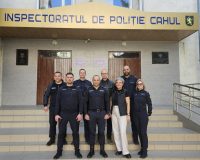
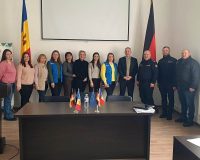
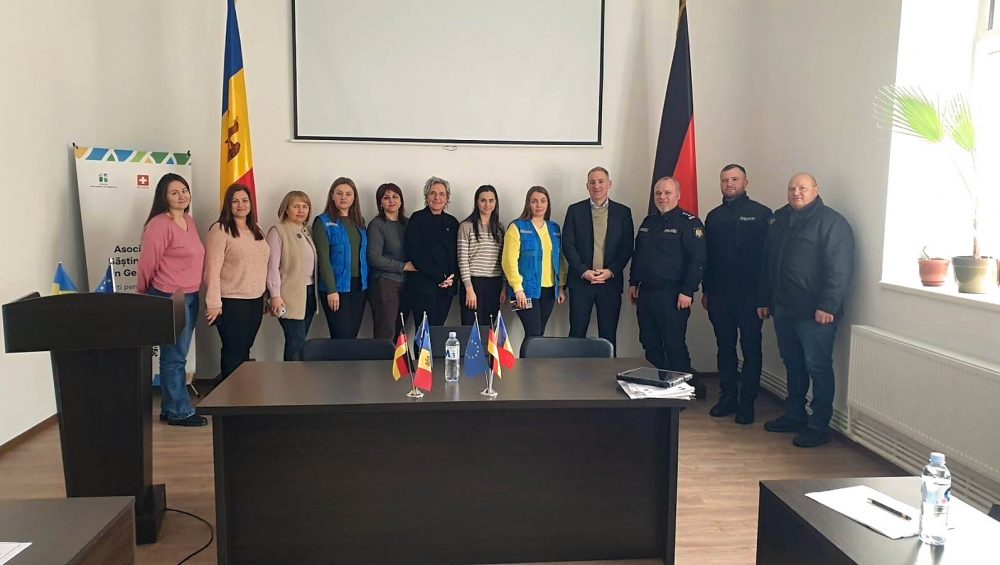
Together with German Police Expert Martin Mehlhorn and Dr Susanne Greiter, Head of the EQUALFORCE II project, representatives attended a meeting of the local Security Council / Community Policing platform, which brings together key actors responsible for safety and social stability in the community.
The visit took place within the framework of the project EQUALFORCE II: Preventing Domestic Violence and Protecting Schools.
Local cooperation for community safety
The meeting brought together representatives from police, social services, civil protection, local administration, business representatives and civil society organisations. The exchange illustrated how local security challenges can be addressed collectively through coordinated action.
Multidisciplinary platforms such as the local Security Council aim to strengthen communication between institutions, identify risks at an early stage and develop joint responses to issues affecting the community.
Citizen survey highlights local concerns
During the meeting, the police presented the results of a citizen survey conducted in the community. The survey identified several key concerns among residents, including:
- domestic violence
- road safety and speeding
- illegal waste dumping
- insufficient street lighting and perceived insecurity
- youth-related issues such as bullying and vandalism
- expectations regarding police visibility and patrol structures
Such feedback helps local institutions better understand community concerns and plan preventive measures accordingly.
Participants also emphasised the importance of cooperation between institutions in addressing underlying social challenges. Joint structures such as the Security Council help detect risks early, support vulnerable families and respond to issues such as alcohol abuse or intra-family conflict.
Community policing as a shared responsibility
Community policing goes beyond traditional policing approaches. It focuses on building trust, strengthening dialogue and encouraging shared responsibility for safety within the community.
The experience in Geamăna demonstrates how such approaches can function in practice and offers an example of local cooperation aimed at strengthening safety and social cohesion.
📷 Photo credits: Marin Novac, Deputy Chief of Anenii Noi Police Inspectorate